


Cricket Shoes Buying Guide 2026: Spikes, Soles and the Right Fit
The right cricket shoes can improve your grip, stability and comfort throughout a match. They can also help you move more confidently while batting, bowling, wicketkeeping or fielding.
However, choosing cricket footwear is not always simple. Players must compare metal spikes, rubber soles, cushioning, support and playing conditions before making a decision.
This cricket shoes buying guide explains the main types of cricket footwear and helps you choose a suitable pair for your playing role and surface.
You can also explore the complete cricket shoes collection at Wiz Sports to compare available options.
Quick Answer: Which Cricket Shoes Should You Buy?
| Player Type | Recommended Shoe Type | Main Benefit |
|---|---|---|
| Batter | Rubber or hybrid cricket shoes | Comfort and quick movement |
| Fast bowler | Metal spike bowling shoes | Grip and landing stability |
| Spin bowler | Rubber or hybrid shoes | Flexibility and controlled movement |
| All-rounder | Hybrid or removable-spike shoes | Versatility across different roles |
| Wicketkeeper | Lightweight rubber shoes | Fast footwork and comfort |
| Junior player | Rubber-soled cricket shoes | Lightweight feel and easy movement |
Your final choice should also depend on the pitch, outfield, weather and competition rules.
Why Cricket Shoes Matter
Cricket involves repeated running, sudden changes of direction and long periods on your feet. Standard sports shoes may not provide enough grip or stability for these movements.
Purpose-built cricket shoes can offer:
- Better traction on grass and turf
- Improved stability during a bowling delivery
- Support while running between wickets
- Greater confidence when fielding
- Cushioning during long training sessions and matches
- Reinforced areas for additional durability
Choosing the correct footwear can help you move more efficiently and reduce unnecessary slipping.

Types of Cricket Shoes
Metal Spike Cricket Shoes
Metal spike cricket shoes are designed to provide strong traction on natural grass surfaces.
The spikes grip the ground during bowling run-ups, batting movement and fielding. They are especially popular among fast bowlers who need stability during their delivery stride and landing.
Metal spikes are generally suitable for:
- Natural turf wickets
- Damp or soft outfields
- Fast bowlers
- Competitive match play
- Players who prioritise maximum traction
Players competing regularly on natural grass can browse the available metal spike cricket shoes at Wiz Sports.
Metal spikes may not be permitted on indoor surfaces, synthetic pitches or certain junior grounds. Always check your club, venue or competition rules before using them.
Rubber-Soled Cricket Shoes
Rubber cricket shoes use moulded studs or textured outsoles rather than metal spikes.
They are lightweight, versatile and comfortable for training, synthetic pitches and harder surfaces. They are also a practical option for batters, wicketkeepers, spin bowlers and junior players.
Rubber soles are commonly used for:
- Synthetic cricket wickets
- Indoor cricket
- Training sessions
- Hard and dry surfaces
- Junior cricket
- Players wanting lighter footwear
Explore rubber spike cricket shoes for lightweight comfort and versatile traction on synthetic and hard surfaces.
Rubber shoes may not provide the same level of grip as metal spikes on wet grass, but they are often more comfortable for extended wear.
Hybrid Cricket Shoes
Hybrid cricket shoes combine rubber studs with removable or fixed spikes.
They provide a balance between comfort and traction, making them a popular option for all-rounders. Certain models allow players to remove the spikes when switching between natural turf and synthetic surfaces.
Hybrid shoes can be suitable for:
- All-rounders
- Club players using multiple surfaces
- Training and match use
- Players seeking greater flexibility
- Batters who also bowl
Cricket Shoes for Different Playing Roles
Best Cricket Shoes for Batters
Batters need lightweight shoes that support quick footwork and running between wickets.
A good batting shoe should provide:
- Comfortable cushioning
- Flexible forefoot movement
- Secure heel support
- Reliable grip
- Lightweight construction
Rubber or hybrid cricket shoes are often suitable for batters because they allow comfortable movement around the crease.

Best Cricket Shoes for Fast Bowlers
Fast bowlers place significant pressure on their feet, ankles and lower body during the run-up and delivery.
Bowling shoes should provide:
- Strong traction
- Secure ankle and heel support
- Reinforced toe areas
- Stable cushioning
- A firm fit during landing
Metal spike shoes are commonly preferred on natural turf because they provide additional grip during the delivery stride.
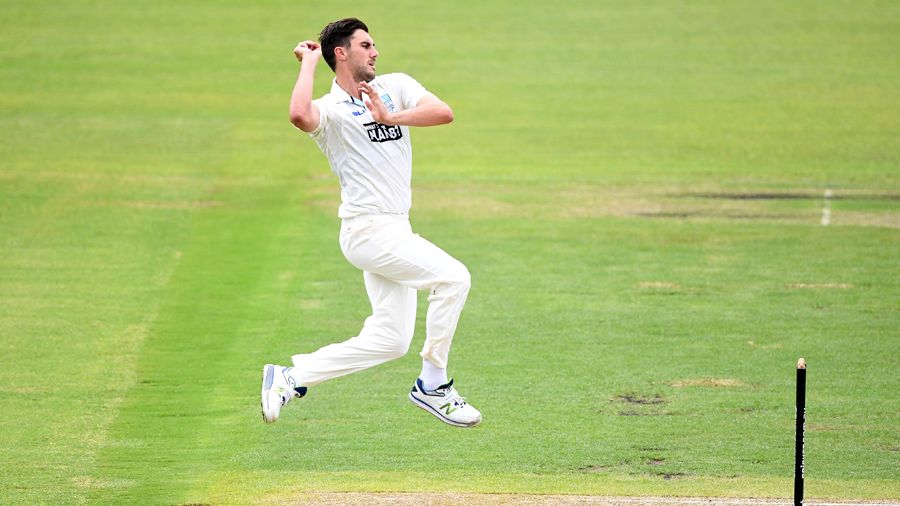
Best Cricket Shoes for Spin Bowlers
Spin bowlers generally require flexibility, balance and smooth rotational movement.
Rubber or hybrid shoes can provide useful traction without feeling too rigid. The shoe should allow the foot to rotate naturally while still supporting the heel and ankle.
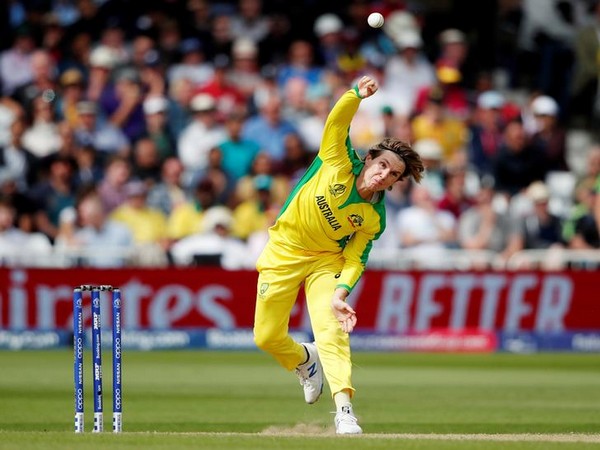
Best Cricket Shoes for Wicketkeepers
Wicketkeepers need lightweight footwear for repeated lateral movement, crouching and sudden changes of direction.
Rubber-soled cricket shoes are often a practical option because they provide flexibility, responsive movement and comfort during long periods behind the stumps.
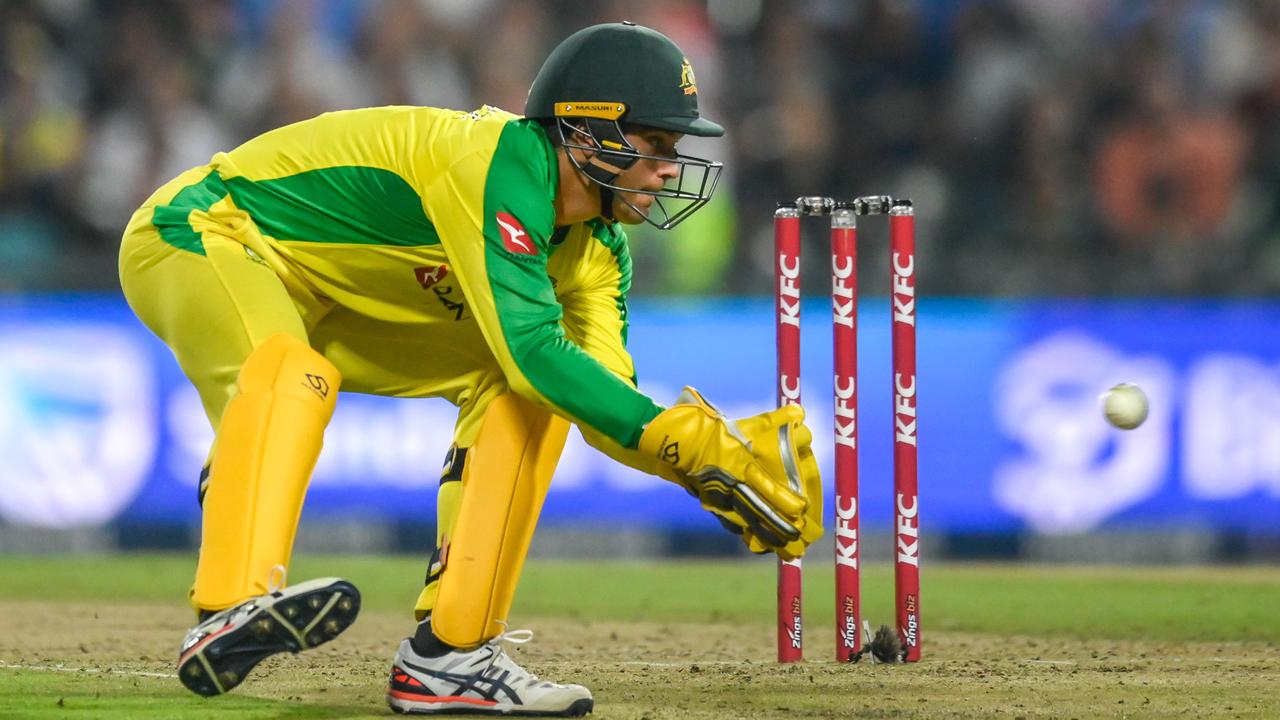
Best Cricket Shoes for Juniors
Junior players should prioritise comfort, manageable weight and the correct fit.
Rubber cricket shoes are often suitable for younger players because they can be used for training, school cricket and matches on synthetic surfaces.
Avoid buying oversized shoes for a child to grow into. Excess movement inside the shoe can affect comfort, grip and stability.
How Should Cricket Shoes Fit?
Cricket shoes should fit securely without squeezing the toes.
When trying on shoes, check that:
- The heel does not lift while walking
- The toes have a small amount of space
- The midfoot feels secure
- The shoe does not rub around the ankle
- The player can move and change direction comfortably
- The player is wearing their usual cricket socks
A loose shoe may reduce stability, while an excessively tight shoe can cause discomfort during long matches.
Key Features to Compare
Grip
Choose the outsole according to the surfaces where you normally play.
Metal spikes provide maximum grip on natural turf. Rubber studs are more versatile for hard, synthetic and indoor surfaces.
Cushioning
Good cushioning can reduce discomfort during long periods of batting, fielding or bowling.
Fast bowlers may benefit from additional cushioning around the heel and midsole because of the repeated impact during landing.
Support
Look for a secure heel counter, stable midsole and supportive upper.
Players who bowl regularly may prefer a more structured shoe. Batters and wicketkeepers may prioritise flexibility and lower weight.
Weight
Lightweight shoes can support faster movement, but they should still provide adequate protection and stability.
The lightest option is not automatically the best shoe for every player.
Durability
Check the outsole, toe area, stitching and upper material.
Fast bowlers and frequent players may require reinforced areas because their shoes experience greater stress throughout the season.
Metal Spikes vs Rubber Soles
| Feature | Metal Spikes | Rubber Soles |
|---|---|---|
| Natural grass grip | Excellent | Moderate |
| Synthetic pitch use | Usually unsuitable | Suitable |
| Indoor use | Unsuitable | Suitable |
| Weight | Often heavier | Usually lighter |
| Fast bowling | Highly suitable | Depends on the surface |
| Batting and wicketkeeping | Suitable | Highly versatile |
| Junior cricket | Check competition rules | Commonly suitable |
Players who train and compete on different surfaces may benefit from hybrid or removable-spike footwear.
Cricket Shoe Brands to Consider
Wiz Sports offers cricket footwear from recognised sporting brands for different playing roles, surfaces and budgets.
Compare the outsole type, support, fit and intended playing role rather than choosing footwear based only on its appearance.
How to Care for Cricket Shoes
Proper care can help your cricket shoes last longer.
After training or matches:
- Remove loose dirt and grass from the outsole.
- Wipe the upper with a damp cloth.
- Allow the shoes to dry naturally.
- Avoid placing them directly beside heaters.
- Remove the insoles when the shoes are wet.
- Check removable spikes regularly.
- Replace damaged or worn spikes before match use.
- Store the shoes in a dry and ventilated area.
Do not leave wet or muddy cricket shoes sealed inside a kit bag for extended periods.