


Choosing a cricket helmet should not be based only on brand, appearance, or price. The best cricket helmet is the one that fits your head correctly, gives you clear vision, and provides suitable protection for the level and type of cricket you play.
A junior playing hardball cricket for the first time will have different requirements from a senior batter regularly facing fast bowling. A wicketkeeper standing close to the stumps may also prioritise different features compared with a casual club player.
In this cricket helmet buying guide, we explain what to look for and recommend suitable options for different customer segments.
Shop all cricket helmets at WizSports
Why Choosing the Right Cricket Helmet Matters
A cricket ball can travel at significant speed, which makes proper head and facial protection an essential part of your cricket equipment.
The ICC states that helmets worn while batting in international cricket must comply with the BS 7928:2013 standard. The updated BS 7928:2013+A1:2019 specification also includes testing requirements relating to neck protectors. Players should always check the helmet label and product information before purchasing.
A good cricket helmet should provide:
-
A secure and comfortable fit
-
Protection around the head and face
-
A properly adjusted grille
-
Clear visibility of the ball
-
Adequate ventilation
-
Comfortable internal padding
-
Minimal movement during batting or wicketkeeping
Best Cricket Helmet by Customer Segment
1. Best for Junior Cricketers
Junior players need a lightweight helmet that fits securely without restricting movement or visibility.
Recommended: Shrey Star Junior 2.0 Steel Cricket Helmet
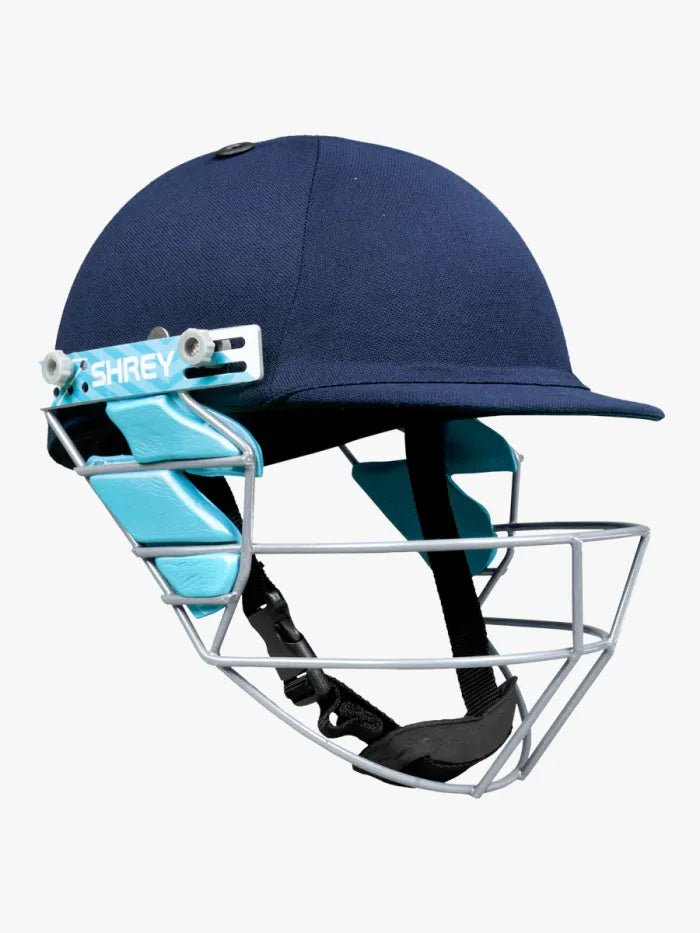
View the Shrey Star Junior 2.0 Steel Cricket Helmet
The Shrey Star Junior 2.0 features an ABS outer shell, EVA foam padding and an adjustable steel visor. Its junior-focused construction and secure retention system make it a practical option for developing players.
Best suited to:
-
Junior club players
-
School cricketers
-
Players moving into hardball cricket
-
Families seeking dependable everyday protection
Alternative with Neck Protection: Gray-Nicolls Junior Elite Helmet
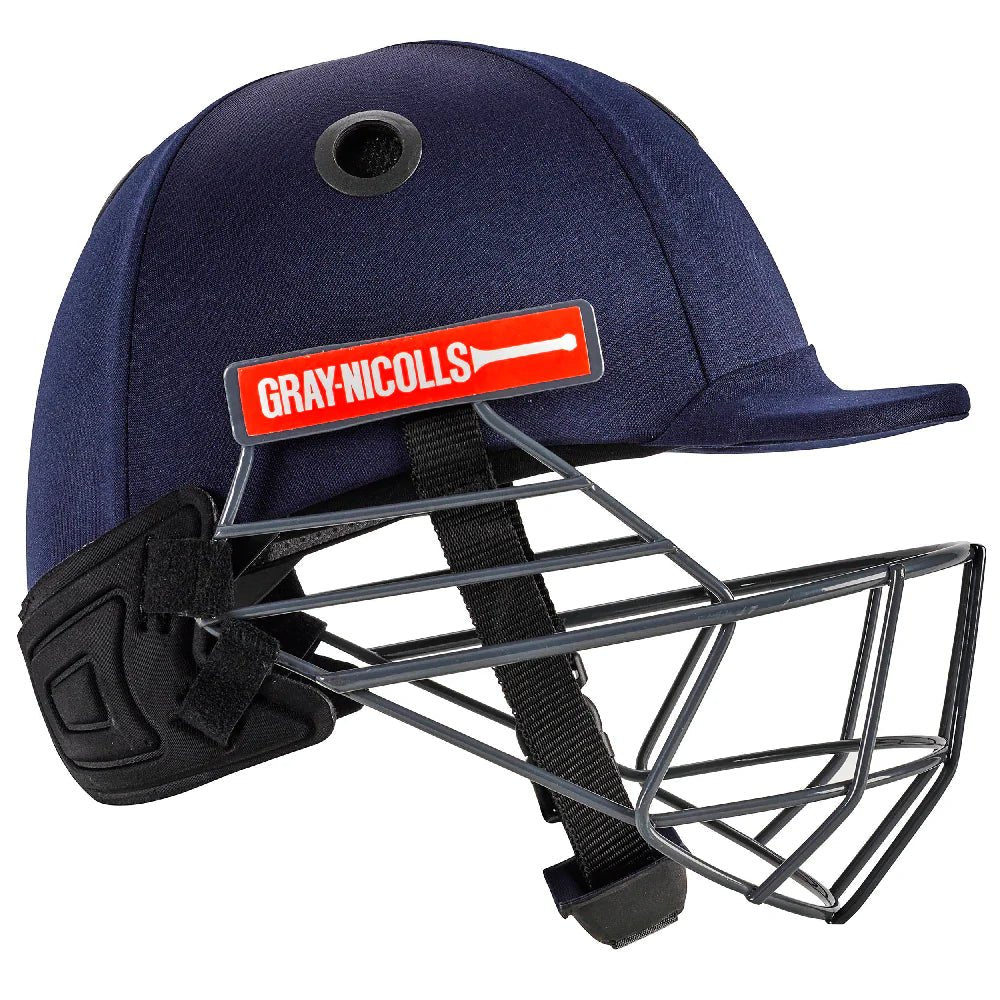
View the Gray-Nicolls Junior Elite Helmet with Neck Guard
This model is available in junior and youth sizing and includes neck protection, making it worth considering for competitive young players who regularly face quicker bowling.
2. Best for Beginners and Budget-Conscious Players
Beginners usually need a secure, adjustable, and comfortable helmet without immediately investing in a premium titanium model.
Recommended: Edge Pro Cricket Helmet
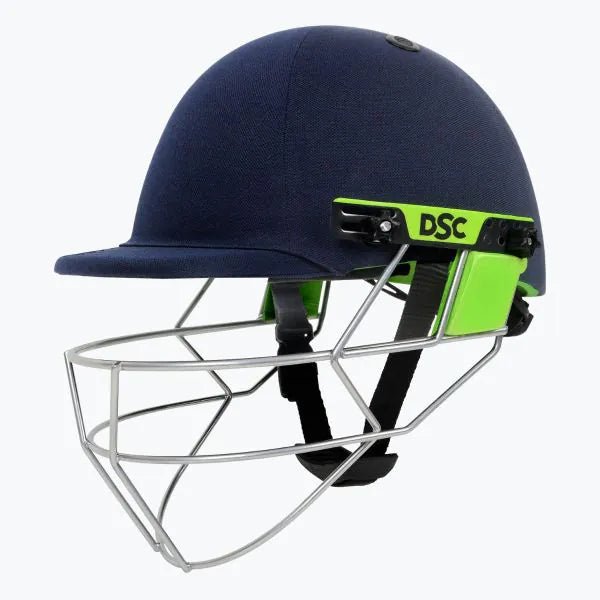
View the Edge Pro Cricket Helmet
The Edge Pro uses a high-impact polypropylene shell, shock-absorbing internal lining and an adjustable steel grille. It is designed to provide a balance of protection, visibility and value for club-level players.
Best suited to:
-
Adult beginners
-
Weekend cricketers
-
Social and community cricket players
-
Players looking for an affordable adjustable helmet
Alternative: SG Smartech Cricket Helmet
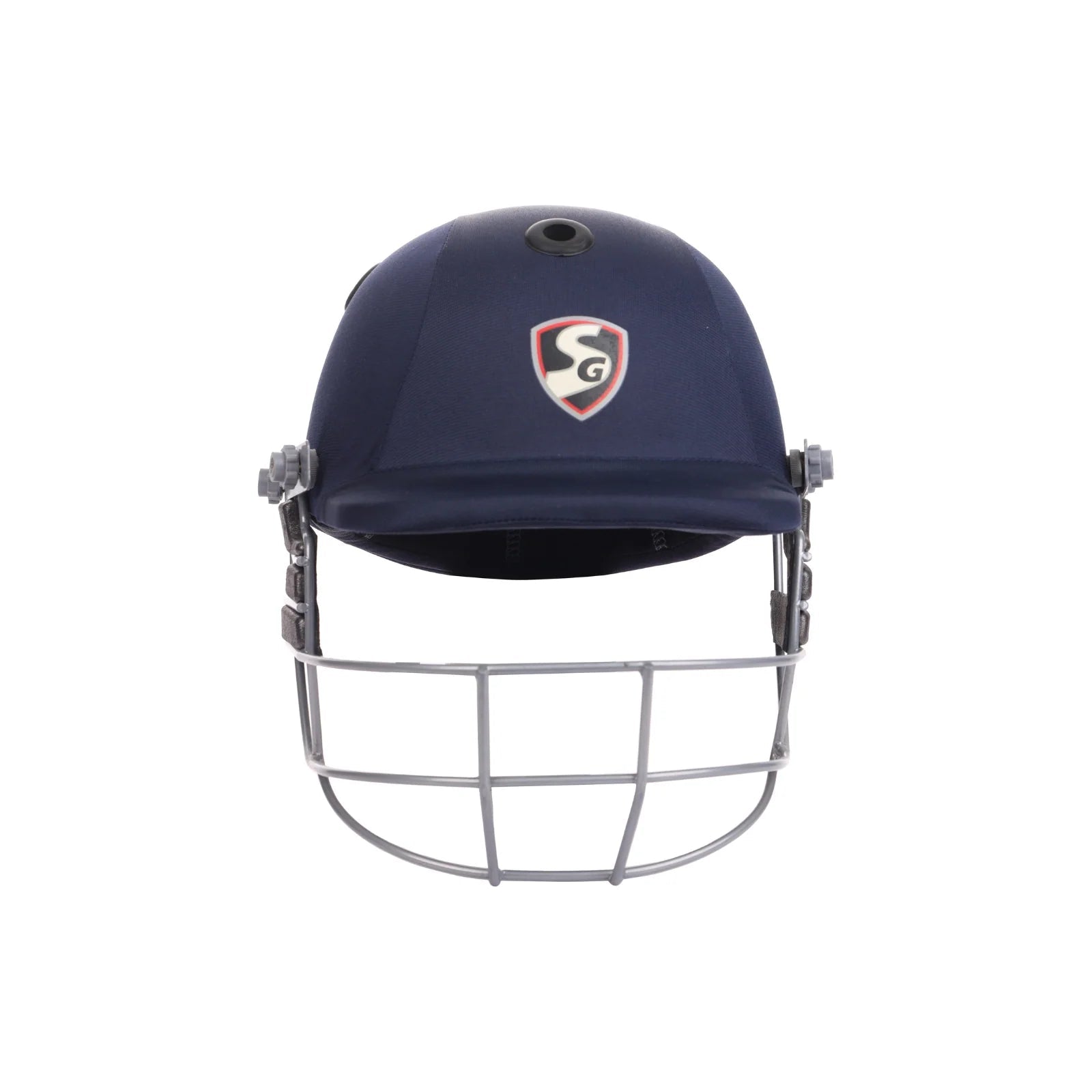
View the SG Smartech Cricket Helmet
The SG Smartech is another accessible option for players looking for a straightforward cricket helmet from an established cricket equipment brand.
3. Best for Regular Club Cricketers
A regular club player should look for dependable protection, a secure fit, ventilation and good visibility.
Recommended: Shrey Premium 3.0 Cricket Helmet
View the Shrey Premium 3.0 Cricket Helmet
The Shrey Premium 3.0 has an adjustable grille and is available in multiple head sizes. Its big-vision design makes it suitable for players who want a clearer sightline while batting.
Best suited to:
-
Regular senior club players
-
Top-order and middle-order batters
-
Players who prefer an adjustable grille
-
Cricketers seeking a balance between price and performance
Alternative: Gray-Nicolls Atomic 360 Cricket Helmet
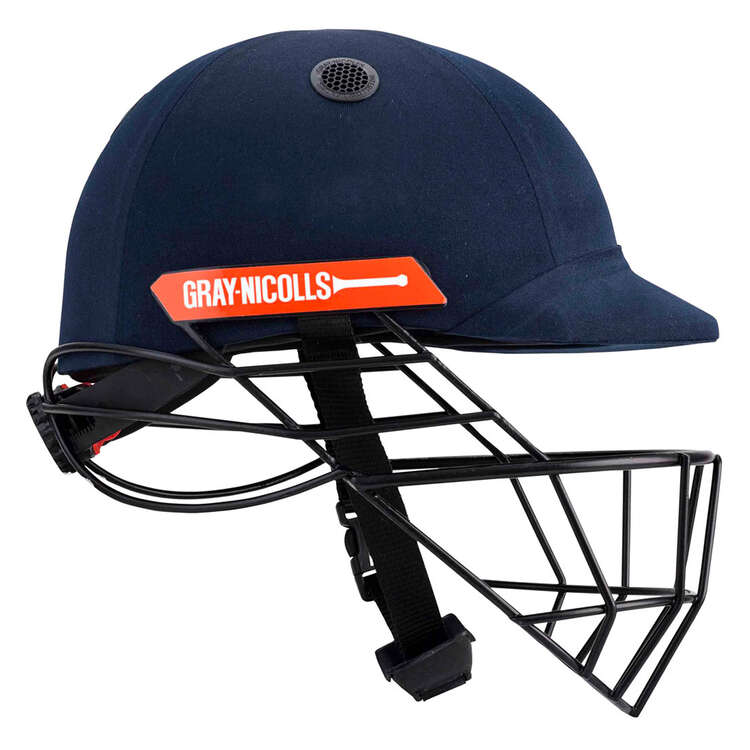
View the Gray-Nicolls Atomic 360 Cricket Helmet
The Atomic 360 includes a factory-fitted steel grille and is designed in line with current ICC helmet testing guidelines. It is available in multiple senior sizes and colours.
4. Best for Players Facing Fast Bowling
Batters who regularly face fast or short-pitched bowling may prefer a helmet with enhanced coverage, stable fitting and additional neck protection.
Recommended: Masuri T-Line Steel Helmet with Stem Guard
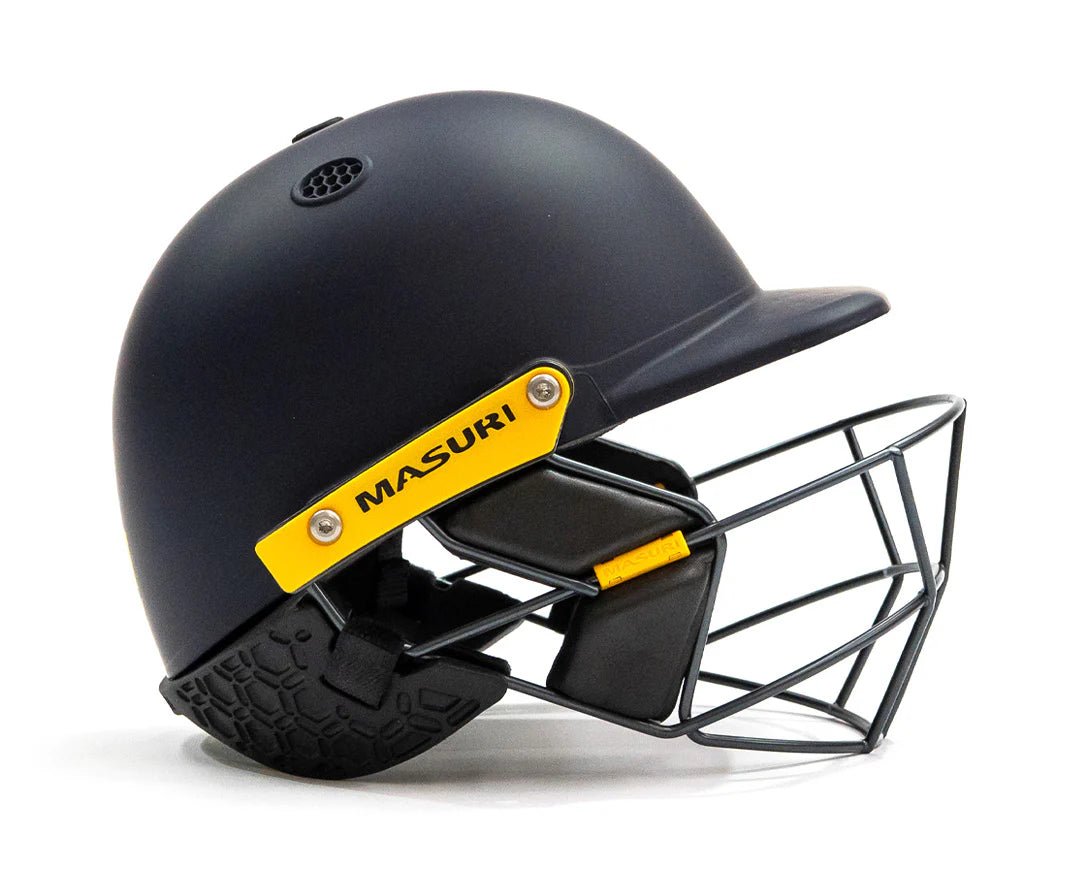
View the Masuri T-Line Steel Helmet with Stem Guard
This helmet includes a Masuri Stem Guard, an airflow cooling system, a lightweight single-shell construction and a steel faceguard. The product is listed as compliant with BS 7928:2013+A1:2019.
Best suited to:
-
Senior competition players
-
Batters regularly facing fast bowling
-
Representative-level cricketers
-
Players wanting integrated neck protection
-
Long-format and red-ball cricketers
5. Best for Wicketkeepers and Close-In Fielders
Wicketkeepers standing up to the stumps and fielders positioned close to the batter need clear visibility, secure fitting and strong face protection.
The ICC requires certified helmets in international cricket when wicketkeepers stand up to the stumps and when players field close to the batter in front of the wicket. Local competition rules may vary, so players should also check their association’s requirements.
Recommended: Masuri E-Line Titanium Helmet with Neck Guard
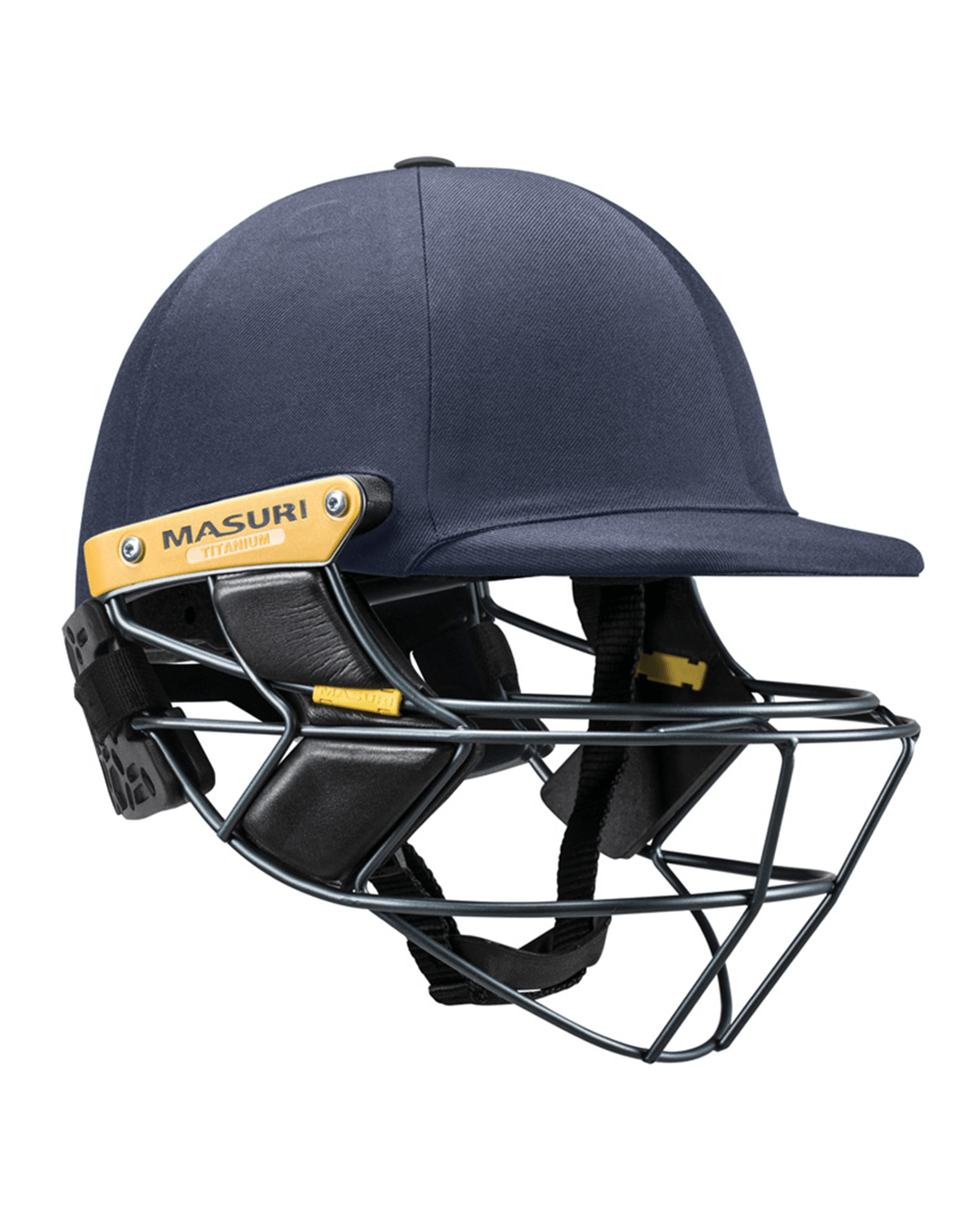
View the Masuri E-Line Titanium Helmet with Neck Guard
The E-Line combines a lightweight titanium faceguard with integrated neck protection. This makes it a premium option for players who require protection without adding unnecessary weight around the head.
Best suited to:
-
Wicketkeepers standing close to the stumps
-
Short-leg and close-catching fielders
-
Advanced senior players
-
Cricketers prioritising lightweight protection
6. Best for Elite Players and Long Innings
Elite players often want maximum protection with reduced weight, strong airflow and minimal visual obstruction.
Recommended: Shrey Koroyd Titanium Cricket Helmet
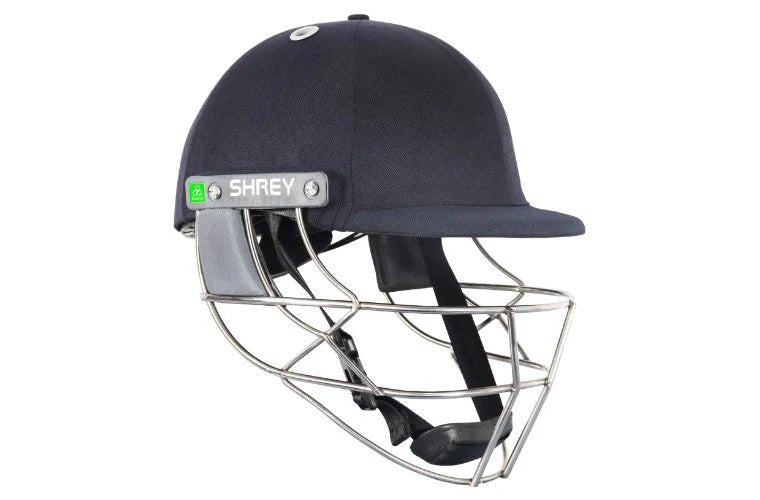
View the Shrey Koroyd Titanium Cricket Helmet
The Shrey Koroyd incorporates impact-absorbing Koroyd technology, a lightweight titanium visor, enhanced ventilation and an adjustable fitting system. These features make it suitable for serious players who spend long periods at the crease.
Best suited to:
-
Premier and representative cricketers
-
Professional or semi-professional players
-
Top-order batters
-
Players who regularly bat for long periods
-
Cricketers prioritising low weight and ventilation
Quick Cricket Helmet Comparison
| Player type | Main requirement | Recommended helmet |
|---|---|---|
| Junior player | Lightweight junior fit | Shrey Star Junior 2.0 |
| Competitive junior | Junior fit with neck protection | Gray-Nicolls Junior Elite |
| Beginner | Value and adjustability | Edge Pro |
| Regular club player | Comfort and clear vision | Shrey Premium 3.0 |
| Fast-bowling specialist | Neck protection and secure coverage | Masuri T-Line Steel |
| Wicketkeeper or close fielder | Lightweight face and neck protection | Masuri E-Line Titanium |
| Elite player | Low weight, airflow and impact protection | Shrey Koroyd Titanium |
How Do You Know Whether a Helmet Fits Correctly?
After adjusting the helmet:
-
Shake your head gently from side to side.
-
Check whether the helmet rotates or slides.
-
Look down and confirm that it stays securely in position.
-
Make sure the grille does not obstruct your view of the ball.
-
Confirm that the peak and grille gap is correctly adjusted.
-
Check that the chin strap or retention system feels secure.
-
Wear the helmet for several minutes to identify pressure points.
Do not modify, drill or bend helmet components unless the manufacturer specifically allows the adjustment.
When Should You Replace a Cricket Helmet?
Replace or professionally assess your helmet when:
-
It has sustained a significant ball impact
-
The shell is cracked, dented or deformed
-
The grille is bent or damaged
-
Internal padding has deteriorated
-
Straps or adjustment systems no longer work
-
The helmet no longer fits securely
-
Replacement parts are unavailable
-
Its certification label cannot be identified
The ICC advises that a helmet component sustaining a severe impact may need replacing even when the damage is not immediately visible.